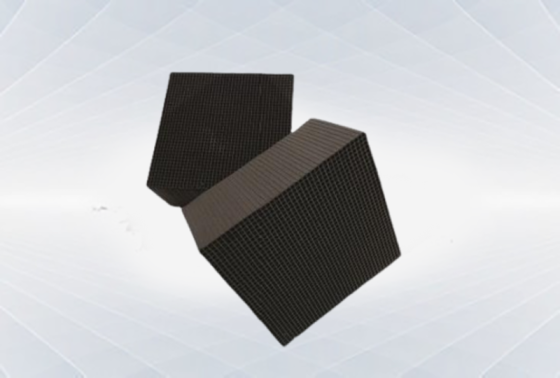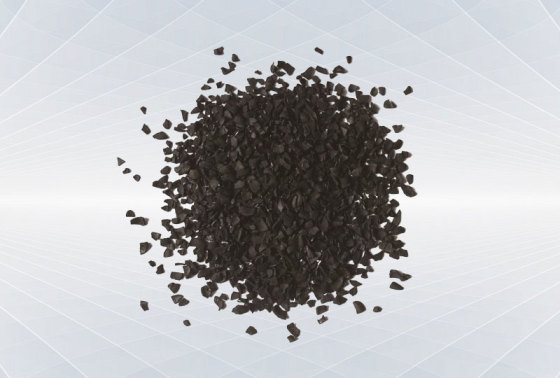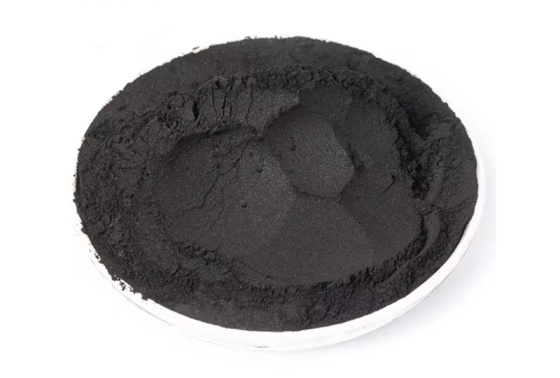
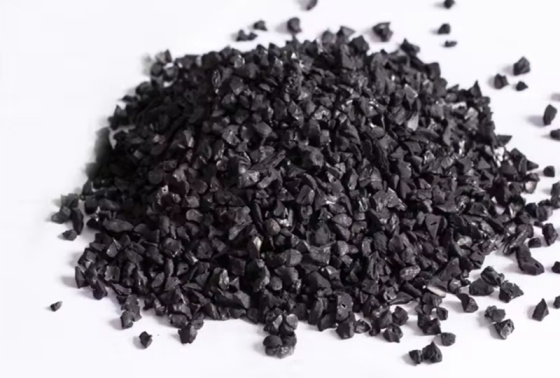
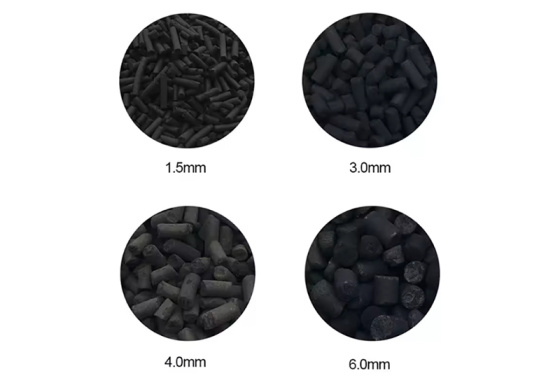
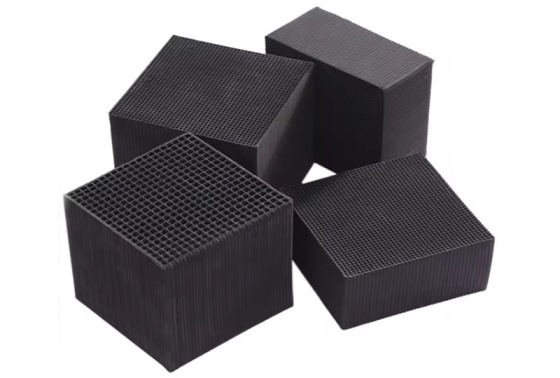
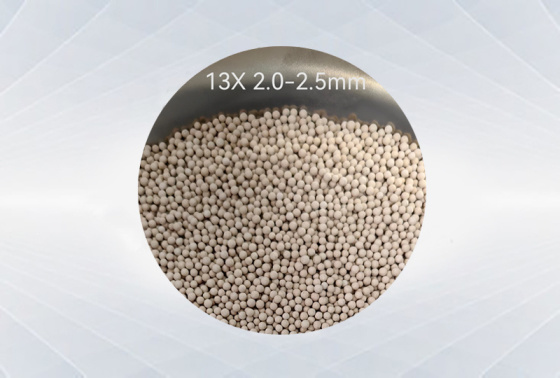
Coal-Activated Carbon with Copper Oxide
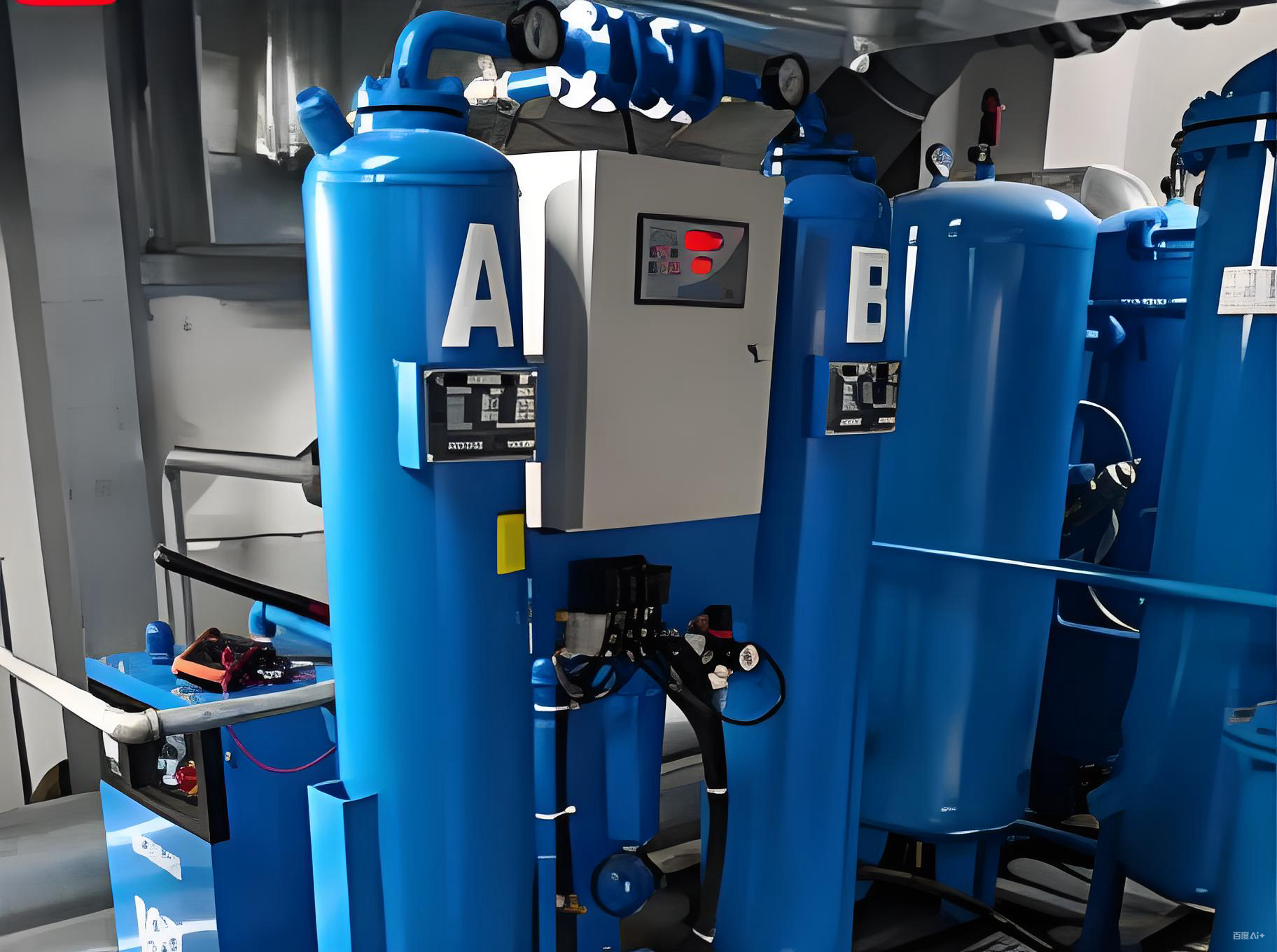
This is a specialized type of activated carbon designed for a specific purpose. Here’s a detailed explanation of what it is, how it works, and where it's used. 1. The Base Material: Coal-Based Activated Carbon Activated Carbon: This is a highly porous form of carbon with a massive internal surface area (a single gram can have the surface area of a football field). This structure allows it to physically adsorb (trap) molecules on its surface. Coal-Based: The activated carbon is derived from coal (e.g., bituminous coal), which is a common and cost-effective precursor. Coal-based carbon is known for its high hardness and a mix of micro-pores and meso-pores, making it suitable for a variety of gas and liquid phase applications. 2. The Impregnation: "XH-CuO" This is the most critical part, transforming the carbon from a general adsorbent into a specialized chemical reagent. Impregnation: This is a process where the activated carbon is infused with another chemical compound. The porous struc…